Source Non Slip Shock Resistant Silicone Palm Pad for Industrial, Medical, and Electronic Uses
Compare 30 listings for non slip shock resistant silicone palm pad options tailored for industrial, medical, and electronic applications. Buyers can evaluate specifications like thickness, hardness, and customization services to find the right solution.
Key considerations
Products List


$0.10 - $1.00
Moq: 100000


$0.10 - $1.00
Moq: 100000




Comprehensive Sourcing Guide
Non Slip Shock Resistant Silicone Palm Pad Sourcing Guide
Sourcing non-slip shock-resistant silicone palm pads requires a nuanced understanding of material properties, industrial applications, and manufacturing capabilities. These components are critical in environments where grip, vibration dampening, and durability are paramount, ranging from industrial flooring to specialized equipment sealing. Buyers must navigate a market that offers both standardized rubber sheets and highly customized die-cut solutions, ensuring that the selected product aligns with specific operational demands. The following guide provides a structured approach to evaluating suppliers, verifying technical specifications, and managing commercial risks associated with these essential industrial components.
The procurement process for silicone and rubber-based palm pads involves balancing cost-efficiency with performance reliability. While natural rubber options offer robust wear and corrosion resistance, silicone variants provide superior thermal stability and flexibility. Buyers should focus on verifying the exact material composition, as the distinction between natural rubber, pure gum rubber, and silicone significantly impacts the pad’s suitability for high-temperature or chemically aggressive environments. This guide outlines the key decision points for sourcing these products effectively, ensuring that procurement teams can make informed choices based on verified data and industry best practices.
Product Scope and Observed Listing Signals
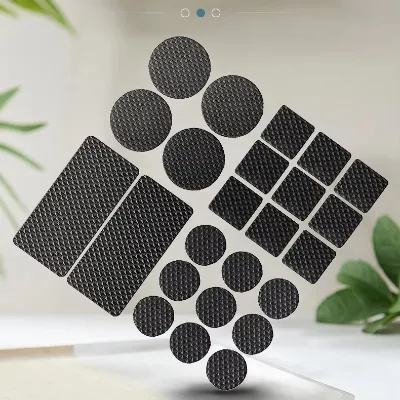
The market for non-slip shock-resistant pads encompasses a diverse range of materials, primarily natural rubber and silicone, each serving distinct functional roles. Natural rubber products are frequently highlighted for their corrosion, wear, heat, and cold resistance, making them suitable for heavy-duty industrial flooring and slab applications. These materials often feature square antiskid patterns and are available in thicknesses ranging from 0.3mm to 10mm, providing versatility for various load-bearing requirements. The presence of black rubber sheets and pads indicates a standard industrial offering, often used for general-purpose flooring or equipment isolation where high friction and durability are required.
Silicone rubber products, on the other hand, offer specialized applications such as medical, electronic, and vehicle uses, where hygiene and precise sealing are critical. Listings for silicone pads often emphasize customization, with options for any size and specific hardness levels, catering to niche requirements like auxiliary seals or junction surface seals. The observed product range includes items labeled as "3D Mouse Pads" and "protection rubber mats," indicating a broad spectrum from consumer accessories to industrial protective gear. Buyers should note that while some products are marketed for flooring, others are designed for precise mechanical sealing, requiring careful alignment of the product’s intended use with the buyer’s operational needs.
Technical Specifications to Verify
Verifying the material composition is the first critical step in ensuring the suitability of the palm pad for the intended application. Buyers must confirm whether the product is made from natural rubber, pure gum rubber, or silicone, as each material exhibits different chemical and physical properties. Natural rubber is known for its high tensile strength and resilience, while silicone offers superior resistance to extreme temperatures and UV exposure. The hardness rating, typically observed in the range of 50-70 Shore for rubber pads, is a key indicator of the material’s firmness and its ability to absorb shock. Buyers should request specific hardness data to ensure the pad meets the required balance between grip and cushioning.
Thickness and dimensional accuracy are equally important, as they directly impact the pad’s performance in sealing and shock absorption. Specifications often list thicknesses from 0.3mm to 10mm, with some products offering custom-made lengths and sizes to fit specific machinery or flooring layouts. The surface texture, such as square antiskid patterns, plays a crucial role in providing the non-slip functionality required in industrial settings. Buyers should verify the surface treatment and pattern consistency, as irregularities can compromise safety and performance. Additionally, the condition of the product, whether new or recycled, should be clearly stated to avoid quality issues related to material degradation.
Compliance and Safety Documentation
Safety and compliance are paramount when sourcing industrial rubber and silicone products, particularly those used in environments with human contact or sensitive equipment. Buyers should ensure that suppliers provide documentation confirming the material’s compliance with relevant safety standards, such as those for fire resistance, toxicity, and electrical insulation. For products used in medical or electronic applications, certifications related to biocompatibility and electromagnetic interference shielding may be required. Although specific certification statuses are not universally listed, buyers must proactively request test reports and compliance certificates to verify that the materials meet industry-specific regulations.
The functional attributes of the pads, such as their ability to provide fixed sealing, hole sealing, and dust prevention, must be backed by performance data. Buyers should verify that the products meet the required standards for insulating properties, especially if they are used in electrical applications. The presence of features like corrosion and impact resistance should be supported by material test results, ensuring that the pads can withstand the expected environmental stresses. It is essential to confirm that the supplier adheres to quality standards that guarantee the consistency and reliability of these safety-critical features, thereby minimizing the risk of equipment failure or safety hazards.
Cost Drivers and Commercial Terms
The cost of non-slip shock-resistant silicone palm pads is influenced by several factors, including material type, customization level, and order volume. Natural rubber products are generally more cost-effective for large-scale industrial applications, while silicone variants command a premium due to their specialized properties and higher production costs. Customization, such as die-cutting to specific shapes or sizes, adds to the overall cost, as it requires additional processing services like molding and cutting. Buyers should evaluate the trade-off between standard and custom products, considering whether the added expense of customization is justified by the operational benefits.
Minimum Order Quantities (MOQs) and packaging requirements also play a significant role in determining the total procurement cost. MOQs can range from small quantities for prototyping to large volumes for mass production, with some suppliers offering flexible terms for customized orders. Packaging options, such as plastic bags, cartons, or export packing, affect both the protection of the product during transit and the logistics costs. Buyers should negotiate clear terms regarding packaging standards to ensure that the products arrive in optimal condition, minimizing the risk of damage and associated replacement costs. Understanding these commercial terms helps in budgeting accurately and selecting suppliers that offer the best value for the required volume and specifications.
Supplier Qualification and Quality Control
Selecting a qualified supplier is crucial for ensuring the consistent quality and reliability of non-slip shock-resistant palm pads. Buyers should prioritize suppliers who demonstrate expertise in rubber and silicone processing, with capabilities in molding, cutting, and customization. The origin of the products, often listed as China or specific regions like Fujian, can provide insights into the supplier’s manufacturing base and supply chain efficiency. However, buyers must verify the supplier’s quality control processes, including material inspection, production monitoring, and final product testing, to ensure that the pads meet the specified standards.
Quality control should extend to the verification of product attributes such as color, hardness, and surface texture. Buyers should request samples for initial evaluation, checking for consistency in the square antiskid pattern and the overall finish of the pad. The supplier’s ability to adhere to customer drawings or samples is a key indicator of their flexibility and attention to detail. Additionally, buyers should assess the supplier’s responsiveness to custom requests and their capacity to handle varying order sizes. Establishing a strong relationship with a reliable supplier ensures that the procurement process is smooth and that the products consistently meet the required performance criteria.
Long-Term Procurement Checks
Long-term procurement success depends on continuous monitoring of supplier performance and product quality. Buyers should establish regular review cycles to assess the consistency of the palm pads’ performance in real-world applications, paying attention to any signs of wear, degradation, or failure. Feedback from end-users and maintenance teams can provide valuable insights into the product’s durability and effectiveness, allowing for timely adjustments to specifications or supplier selection. Maintaining open communication with suppliers ensures that any issues are addressed promptly, fostering a collaborative environment focused on continuous improvement.
It is also important to stay updated on industry trends and technological advancements in rubber and silicone materials. New formulations or processing techniques may offer improved performance or cost efficiencies, providing opportunities to optimize the procurement strategy. Buyers should periodically re-evaluate their supplier base, considering factors such as lead times, pricing stability, and compliance with evolving regulatory standards. By proactively managing these aspects, buyers can ensure that their sourcing of non-slip shock-resistant silicone palm pads remains aligned with their operational goals and market demands, securing a reliable supply chain for the long term.
FAQs
What materials are used for non slip shock resistant silicone palm pads?
These pads are primarily made from silicone rubber or natural rubber. The material selection ensures durability and shock resistance for industrial and medical applications while maintaining flexibility.
Can I customize the thickness of the rubber palm pads?
Yes, customization is available for thickness ranging from 0.3mm to 10mm depending on the specific application needs. Buyers can request specific dimensions to fit their equipment or flooring requirements.
Which features make these rubber sheets suitable for industrial use?
The sheets offer corrosion resistance, wear resistance, and heat resistance for demanding environments. They also provide insulating properties and impact resistance to protect equipment and ensure safety.
How is the hardness of the silicone rubber pad determined?
The hardness typically ranges from 50 to 70 Shore A for optimal performance. This range ensures the pad provides adequate grip and shock absorption without being too rigid for handling.
What packaging options are available for shipping these rubber products?
Packaging can be customized according to buyer requirements, including plastic bags, cartons, or export packing. Standard options often involve individual OPP bags or carton cases for bulk shipments.
Can the rubber pads be used for sealing applications?
Yes, they function effectively as auxiliary seals, junction surface seals, and shaft seals. The material properties support fixed sealing, hole sealing, and dust prevention in various mechanical setups.
Where are these rubber products manufactured?
The products originate from China, specifically from regions like Fujian. This location supports a robust supply chain for industrial rubber goods and customized manufacturing services.